
AI, Data & Intelligent Systems
Turning intelligence into operational advantage.
Most organisations do not have an AI problem. They have an industrialisation problem.
The challenge is rarely whether AI can do something useful. The challenge is whether data, workflows, governance, operating models and human judgement are aligned well enough for intelligent systems to work safely at scale.
Turning intelligence into operational advantage.
From Experimentation to Industrialisation
AI investment has outpaced organisational readiness.
Most organisations now have pilots, tooling and executive sponsorship. The harder task is aligning data, workflows, governance and human judgement so intelligent systems can operate safely at scale.
Industrialising AI is less about model selection and more about operating design — the architecture, controls and behaviours that turn intelligence into sustainable outcomes.
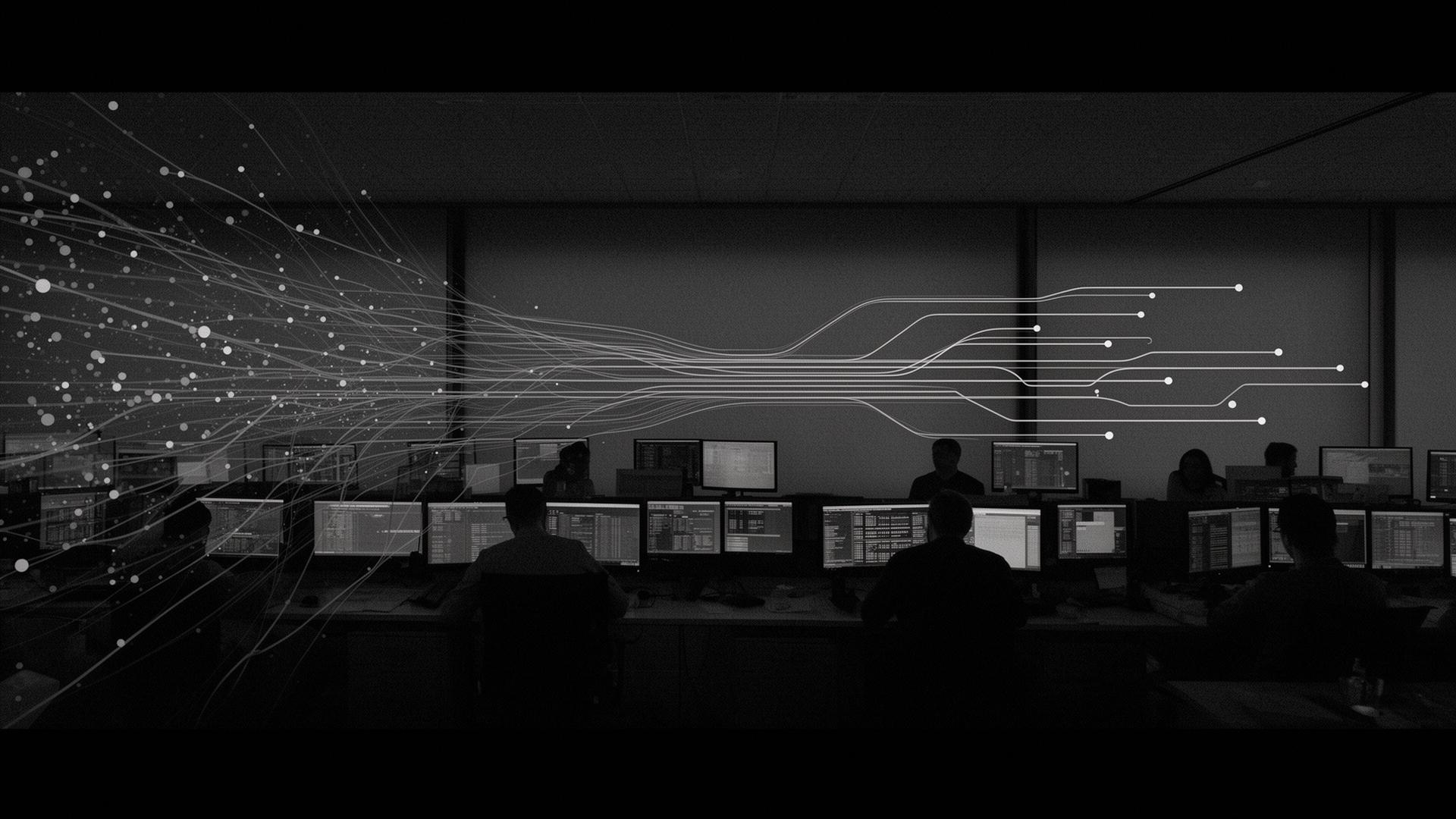
How do we move from AI pilots to enterprise adoption?
How do we measure whether AI is creating value?
How do we govern AI without slowing innovation?
How do humans and AI agents share work safely?
How do we build trusted data foundations for intelligent systems?
How do we industrialise successful use cases without creating new fragmentation?
What We've Learned Building Intelligent Systems
AI Is Not The Strategy
AI is an enabler of strategy, not a substitute for it.
Data Is The Foundation
Intelligent systems amplify the quality of the foundations beneath them.
Operating Models Matter
Most AI challenges are organisational rather than technical.
Evidence Beats Enthusiasm
Adoption creates momentum. Evidence creates confidence.
“Intelligence becomes valuable when it changes decisions.”
Capabilities, in detail.
AI Strategy
Identifying where AI creates genuine advantage and where it adds complexity.
Clear investment priorities.
Data Strategy
Building trusted, usable data foundations for intelligent systems.
Data that supports decisions, automation and assurance.
Agentic Systems
Designing agent-enabled workflows that operate safely within enterprise environments.
Human and AI collaboration that can scale.
Operational Intelligence
Turning fragmented operational signals into decision intelligence.
Faster, better-informed leadership decisions.
Intelligent Automation
Combining automation, AI and human judgement across core processes.
Efficiency without loss of control.
Human + AI Operating Models
Redesigning roles, teams, controls and decision rights for intelligent work.
Operating models that scale intelligence rather than headcount.
Decision Intelligence
Making decisions more transparent, explainable and effective.
Evidence-based decisions aligned to strategic intent.
Outcomes from this practice.
Examples of how our practitioners have helped organisations turn engineering, data and AI signals into decision-making capability.

Creating Visibility Across Thousands of Engineering Teams
Creating enterprise visibility across thousands of engineering teams by turning fragmented delivery data into operational intelligence for senior leadership.

Measuring AI Adoption Across Large Engineering Organisations
Helping leadership understand how emerging AI tools were being adopted across a large engineering organisation and creating the evidence needed to inform future investment decisions.

Building an Engineering Intelligence Capability at Enterprise Scale
Establishing an engineering intelligence capability that connected delivery data, workforce insights and strategic decision-making across one of the world's largest engineering organisations.
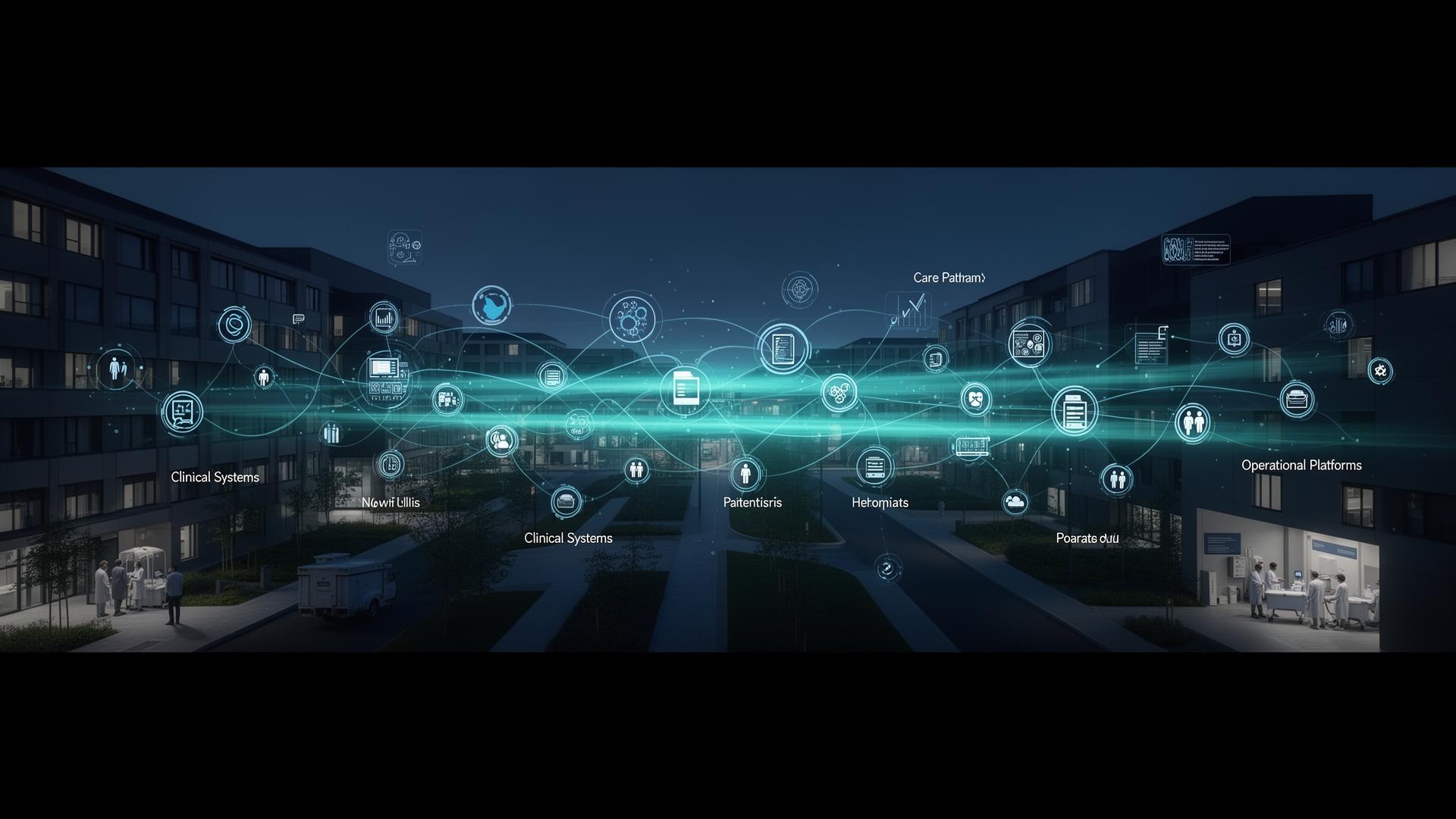
Transforming Healthcare Through Data Intelligence
Helping healthcare organisations unlock value from fragmented patient and operational data by creating new intelligence capabilities that improve visibility, coordination and decision-making.
Related thinking.
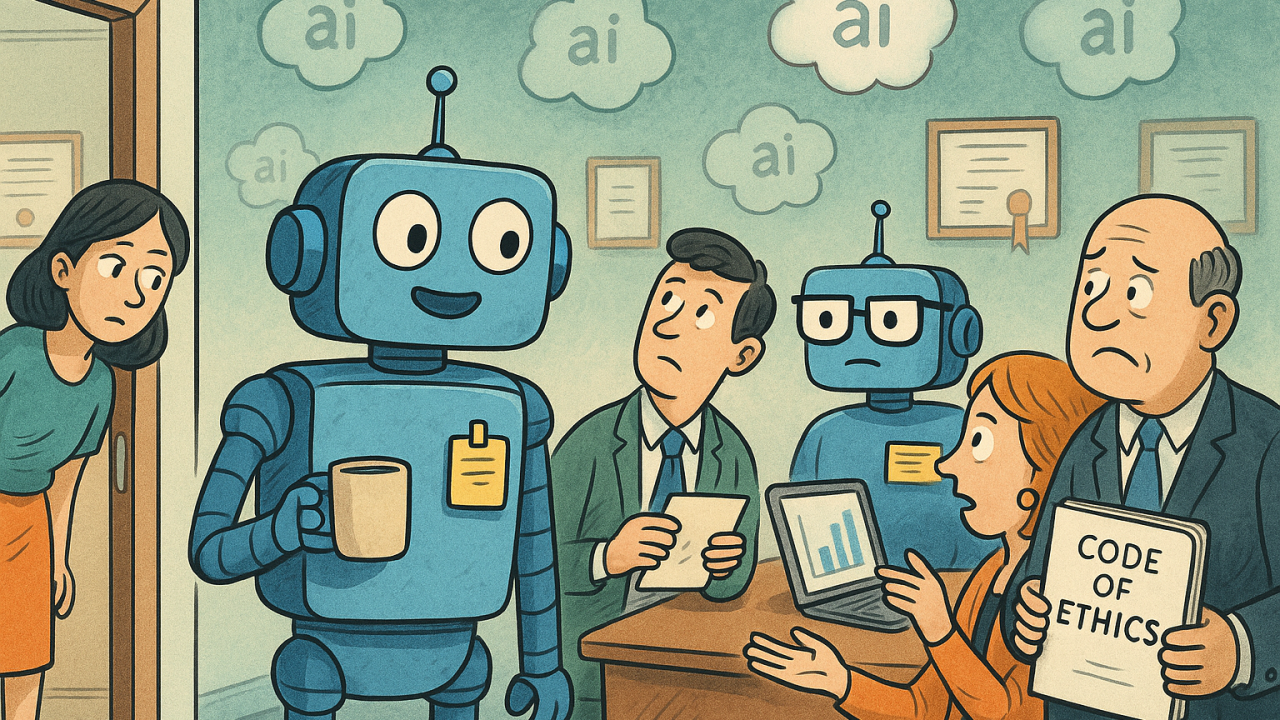
AI Agents Are Not Colleagues. Yet.
A practical look at the current realities and limitations of AI agents in enterprise environments.
Read →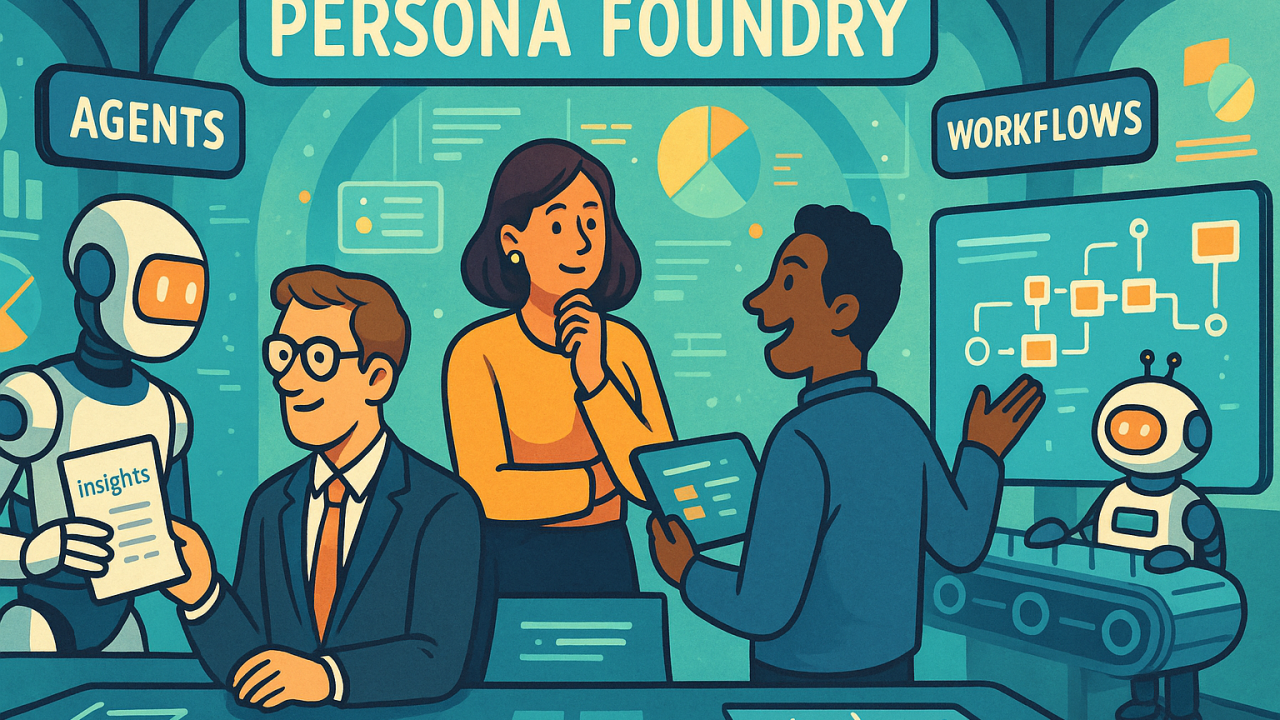
The Future of Work Will Be Blended and Built Like a Foundry
How human capability, AI systems and operating models are converging into new organisational structures.
Read →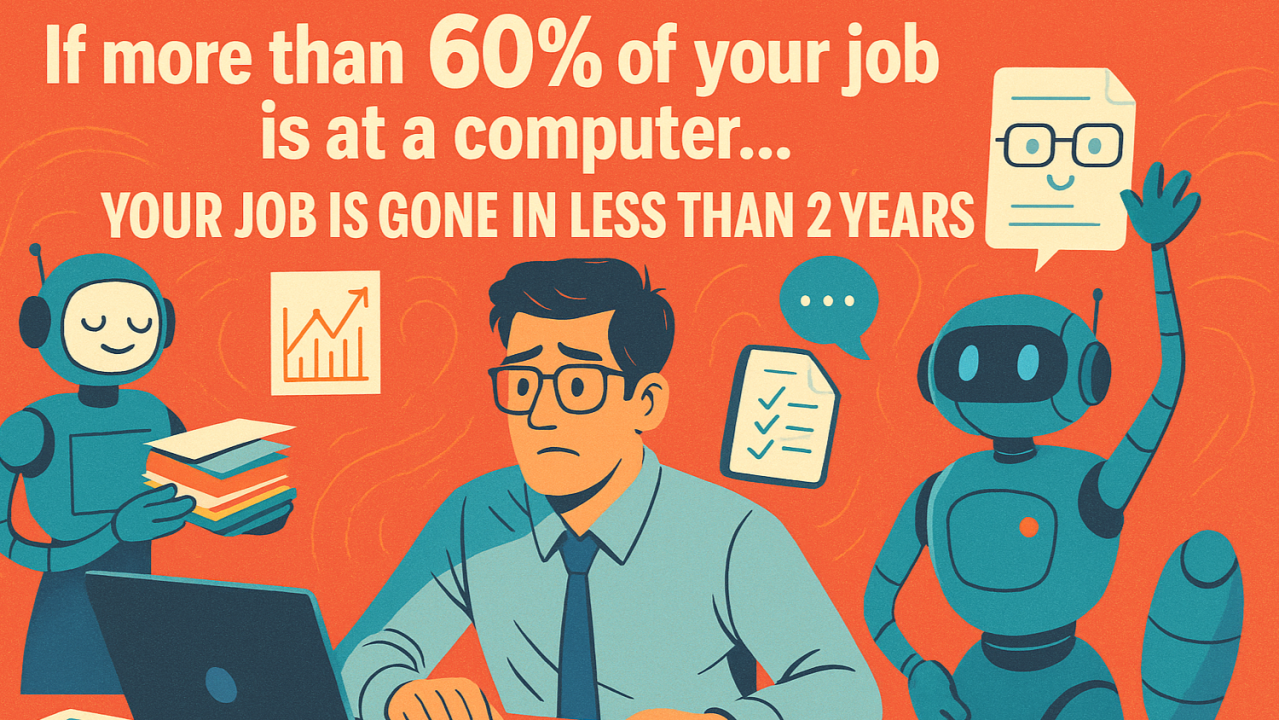
More Than 60% of Your Job Happens on a Computer. What Happens Next?
Examining the implications of AI and automation on knowledge work and organisational design.
Read →Build What's Next.
Whether you are moving from AI pilots to enterprise adoption, building decision intelligence or designing human + AI operating models, we would welcome the opportunity to discuss the challenge.